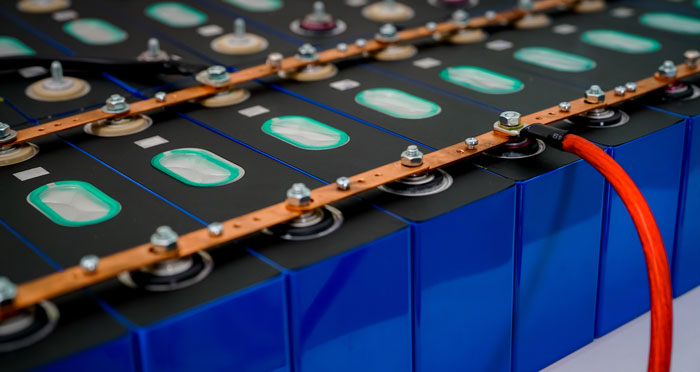
Pakistan’s quest for sustainable, homegrown energy has yielded two major breakthroughs now drawing global attention. The first is a new generation of structural battery composites, making electric vehicles lighter and more efficient—offering hope for mass-market, locally produced EVs that could transform transport and reduce oil imports. In coastal Sindh and Balochistan, the country’s inaugural osmotic power plants are using differences in salt and freshwater to generate clean electricity, leveraging Pakistan’s extensive delta and coastline as a renewable resource. Engineers from leading universities, backed by visionary investors, have driven these pilot projects from concept to reality in just three years. National policymakers claim these advances already attract foreign energy investment, with new manufacturing jobs and research centers emerging in Karachi, Lahore, and Islamabad. Experts caution, however, that delivering these benefits at national scale demands regulatory support, affordable financing, and steady improvements to Pakistan’s power grid. If successful, these innovations have the power not just to reduce emissions and pollution but also to make Pakistan a thought leader in the global clean energy transition.