













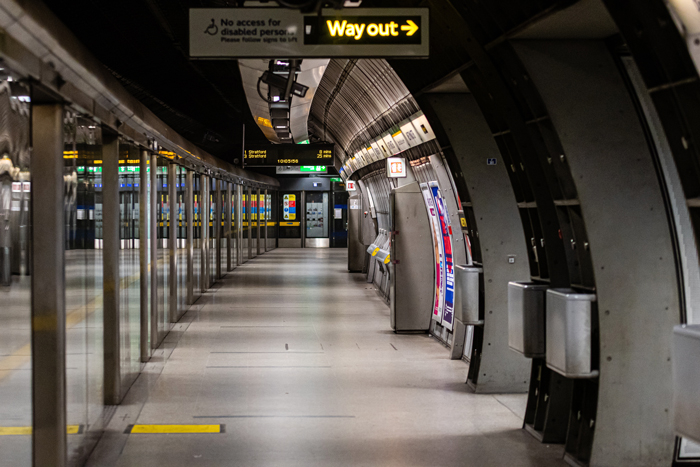
Millions of commuters and leisure travellers across Britain rely on the rail network every week, yet frustration over delays, cancellations, and confusing fare structures has remained widespread. In November 2026, Parliament is examining the Railways Bill, a flagship piece of legislation designed to overhaul how Britain’s trains are run.
For everyday passengers, policy debates in Westminster can feel distant. However, the changes proposed under the Railways Bill aim to reshape everything from who manages your local service to how you buy a ticket. Here is a practical breakdown of what the bill covers, why it matters, and what travellers can realistically expect.
Why the UK Rail System Is Being Overhauled
For decades, Britain’s railways operated under a fragmented model. Track infrastructure was managed separately from train operating companies, leading to finger-pointing when services went wrong and complex revenue-sharing arrangements behind the scenes.
The Railways Bill seeks to bring track and train closer together under a single directing mind: Great British Railways (GBR). Supporters argue that unifying operational responsibility will cut bureaucracy, improve punctuality, and make long-term investment easier to plan.
Key Changes Proposed in the Railways Bill
While MPs and peers continue to scrutinise the finer details of the legislation, several core pillars stand out for passengers:
- Unified Oversight: Great British Railways will take responsibility for both infrastructure planning and passenger service contracts, reducing the split between Network Rail and private operators.
- Simpler Ticketing: The government has pledged to modernise fares, expanding pay-as-you-go contactless travel beyond London and introducing clearer digital ticketing options.
- Stronger Passenger Advocacy: A dedicated passenger watchdog is expected to have greater powers to hold operators to account when performance falls short.
- Public-Sector Transition: As existing private franchises expire, more routes are being brought under public-sector management.
What This Means for Commuters and Fares
The biggest question for most travellers is simple: will train tickets become cheaper? The honest answer is that structural reform alone does not automatically slash fares. Operating costs, energy prices, and staff pay agreements still heavily influence ticket pricing.
However, simplifying the fare structure could eliminate some of the most frustrating anomalies, such as split-ticketing traps where two separate single tickets cost less than one through-ticket. Expanding tap-in, tap-out contactless zones across regional commuter belts should also make everyday travel more convenient.
Reliability, Strikes, and Winter Resilience
Legislation cannot fix ageing signalling or extreme weather overnight. Commuters in London and the South East have also faced ongoing industrial disputes, including recent RMT walkouts affecting Underground services.
That said, a unified rail body should be better placed to coordinate timetable changes, engineering works, and winter weather resilience. When storms or cold snaps hit, having one central authority responsible for both tracks and trains is intended to speed up recovery.
How Passengers Can Prepare Now
While the Railways Bill works its way through Parliament, passengers can still protect themselves against disruption and high costs:
- Use Delay Repay: Always claim compensation if your train is delayed by 15 minutes or more (depending on the operator).
- Check Railcards: National Railcards, including 26–30, Two Together, and Network Railcards, remain the fastest way to cut a third off eligible fares.
- Book Ahead for Long Journeys: Advance singles typically offer the steepest savings on intercity routes.
Frequently Asked Questions
1. When will Great British Railways fully launch?
The transition is happening in phases as the Railways Bill completes its parliamentary stages and existing operator contracts expire.
2. Will the Railways Bill lower UK train ticket prices?
It aims to simplify fares and expand contactless pay-as-you-go travel, though overall ticket prices will still depend on government funding and operating costs.
3. Does the bill affect London Underground services?
No. London Underground is managed by Transport for London (TfL), whereas the Railways Bill focuses on the national mainline rail network.