


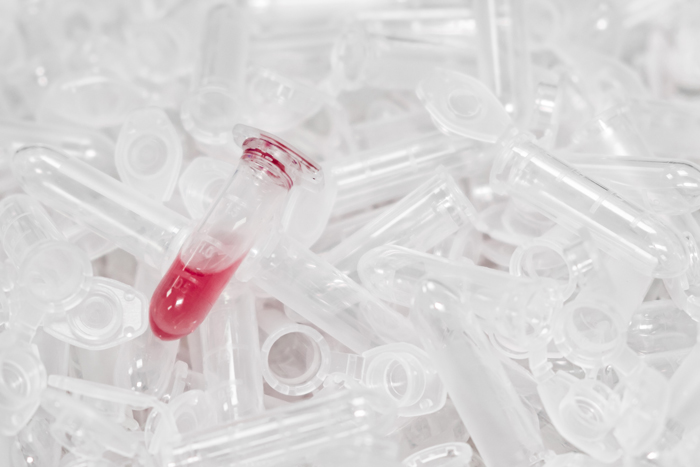
We’ve long known plastics choke oceans and enter our food chain, but scientists have now confirmed microplastics can flow inside human blood vessels. This shocking discovery connects environmental pollution directly to human health, raising red flags for medicine and policy worldwide.
The Discovery
Using advanced nanotechnology filters and spectroscopy, researchers detected plastic fragments smaller than 10 microns coursing through the blood. Some were traced back to common packaging plastics like PET and polypropylene.
Impact on Human Health
Plastics in the bloodstream increase risks of inflammation, vessel blockages, and could worsen pre-existing cardiovascular issues. Early studies on laboratory animals suggest microplastics may impair fertility and immune strength—though human testing is ongoing.
How We Got Here
Decades of plastic waste in the oceans and soil, combined with constant human exposure through food, water, and even air, have culminated in bioaccumulation reaching our bloodstreams. Microplastics are now found in bottled water, table salt, seafood, and even fresh vegetables.
Urgent Policy Needs
The findings call for new global policies on single-use plastics, stronger recycling, and innovations in biodegradable alternatives. Without radical action, researchers predict microplastics in human blood could become a universal condition within one generation.
What It Means
The presence of microplastics in our veins is an eye-opening reminder: pollution is no longer out there—it’s inside us. The health challenges could become one of the greatest environmental-medical crises of the century.