










Booking a podcast studio can look simple at first: choose a date, pay an hourly rate and arrive ready to record. The details become more important when you discover that equipment, technical support, editing and file delivery may be priced separately. Two studios with similar headline rates can offer very different services.
This guide to podcast studio hire in London explains the common booking arrangements and the questions worth asking before you pay. The aim is to help you understand what you need, compare packages fairly and avoid unexpected costs.
What does studio hire include?
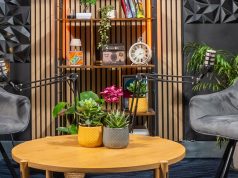
Podcast studio hire usually means reserving a recording space for an agreed period, but there is no single package used by every provider. Some bookings include the room and basic equipment, while others may include microphones, cameras, lighting or help with setup. Editing and publishing are often separate services, so check the wording carefully.
Ask for a list of everything included in the quoted price. Confirm whether setup and pack-down time count towards your booking, how many people the room can accommodate and whether you can bring your own equipment. If the website shows specialist items, do not assume they are included in the standard rate.
Dry hire and supported hire
Dry hire generally gives you access to the space and agreed equipment without a dedicated production operator. This can suit experienced podcasters who know how to set microphone levels, operate cameras and manage recordings. You should understand who is responsible if equipment is not working or a file is not saved correctly.
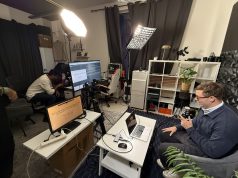
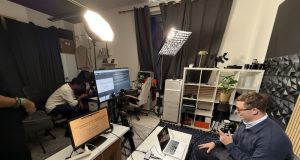
Supported hire may include help with setup, audio monitoring or camera operation. The exact level of support varies, so ask whether the person present is a general assistant, camera operator or sound engineer. If you are recording an important interview or a complex discussion, agree responsibilities before the session.
Equipment to check
For audio, ask how many microphones are available, whether each speaker can be recorded on a separate track and whether headphones are provided. The room itself also matters because echo and background noise can affect the recording. If you are bringing guests who speak at different volumes, ask how sound levels will be monitored.
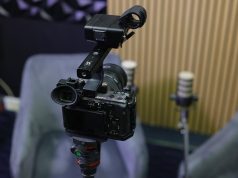
For video, check the number of cameras, recording resolution, lighting and background options. Ask whether the cameras record separate files or whether the studio provides a switched programme. If you need vertical extracts as well as a horizontal episode, explain this before the booking so framing can be planned.
Operators and technical assistance
A camera operator may manage framing, focus and camera settings, while an audio engineer concentrates on sound capture. A technician may be able to oversee several tasks in a simple setup, but a complex production could require more than one person. Do not rely on a general phrase such as ‘technical support’ without asking what it covers.
Find out whether assistance is included in the advertised price or charged by the hour. Confirm the operator’s arrival time and whether support continues throughout the session. For livestreams, also discuss internet connectivity, backup arrangements and who will monitor the stream.
Editing and file delivery
Recording a podcast does not necessarily mean receiving a finished episode. Post-production can include removing mistakes, balancing audio, synchronising camera files, adding titles, creating captions and exporting clips for social channels. Ask for a separate estimate if editing is not included, and describe the length and complexity of the material.
Clarify whether you will receive raw recordings, edited files or both. Check the file formats, transfer method and expected delivery time. If an external editor is handling the work, ask whether the studio can provide separate audio and camera files in a format that suits the editor’s workflow.
Hourly, half-day or full-day bookings
An hourly booking may suit a short interview or a straightforward solo recording, provided setup time is included in your plan. A longer booking can be more practical when several guests are involved or when you intend to record multiple episodes. Full-day sessions may suit a planned series or a production with several different segments.
Calculate the time required for arrival, setup, sound checks, recording, breaks and file checks. Do not book only for the finished episode length, as this can leave little room for retakes or unexpected delays. If you are recording more than one episode, make sure the schedule is realistic for both presenters and guests.
Questions to ask before paying
Request a written quote that lists the booking duration, equipment, operator arrangements, extra charges and cancellation terms. Ask whether the price includes VAT where applicable, how overtime is charged and whether there are restrictions on guest numbers or external equipment. Confirm who is responsible for backing up the recordings before you leave.
These details are more useful than comparing hourly prices alone. A lower rate may be suitable for a simple audio recording, while a supported package may be better for a multi-camera interview. Choose the arrangement that meets the production requirements without adding services you do not need.
Make an informed booking
Podcast studio hire in London ranges from basic room hire to fully supported recording sessions. Before booking, check the equipment, facilities and services included in the price.
If you need a professional recording space in South West London, Ehre Studio in Wandsworth offers podcast and video recording facilities, including professional microphones, Sony 4K cameras and green screen facilities.
You can contact Ehre Studio at info@ehrestudio.co.uk for further discussions. Also, book your podcast studio session or contact the studio team.