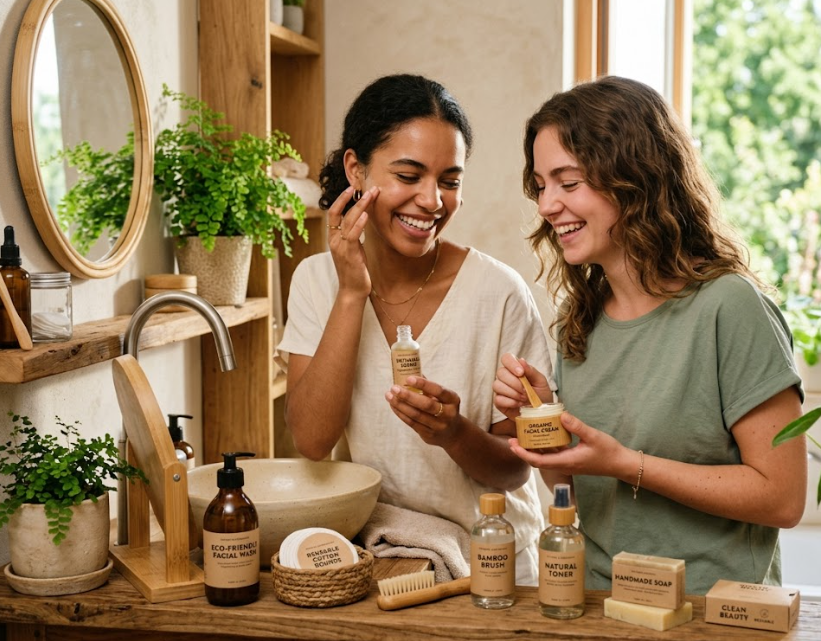
The beauty industry in 2026 is unrecognisable from the landscape of just a few years ago. Consumers are more educated, ingredients are more advanced, and the demand for absolute transparency is at an all-time high. Welcome to this exclusive deep dive on The Mix Post, where we unpack the fascinating world of sustainable skincare.
Whether you are a dedicated skincare aficionado or simply someone looking to streamline your morning routine, understanding these pivotal shifts is crucial. In this comprehensive guide, we will explore the science, the cultural impact, and the practical applications of sustainable skincare. Grab a cuppa, settle in, and let’s explore how you can elevate your beauty regimen to the next level.
The Evolution of Sustainable Skincare
To truly appreciate the current state of sustainable skincare, we must first look at its rapid evolution. Historically, the beauty sector has been plagued by vague claims and one-size-fits-all solutions. However, a significant shift has occurred. Today, the focus is unequivocally on efficacy, personalisation, and ethical practices.
British consumers, in particular, are leading the charge, demanding products that not only deliver exceptional results but also align with their personal values. This transformation has forced legacy brands to reformulate their iconic products and paved the way for agile, innovative indie brands to take centre stage. The result is a highly competitive, incredibly exciting marketplace where quality reigns supreme.
Key Ingredients and Innovations
At the heart of the sustainable skincare movement is a renewed focus on groundbreaking ingredients and advanced formulations. We are seeing a move away from harsh, stripping chemicals towards bio-compatible elements that work in harmony with the body’s natural functions. Ingredients such as encapsulated retinol, advanced peptides, and botanical adaptogens are no longer niche; they are industry standards.
Furthermore, the delivery systems have been revolutionised. It is no longer just about what is in the jar, but how effectively those active ingredients can penetrate the skin or hair follicle. This scientific rigour ensures that the products we invest in actually perform the way they promise, offering tangible, long-lasting benefits rather than mere superficial fixes.
Understanding the Consumer Shift
Why has sustainable skincare become such a massive talking point? The answer lies in consumer behaviour. The modern buyer is incredibly savvy. They scrutinise ingredient lists, research brand supply chains, and refuse to be swayed by clever marketing jargon alone. There is a deep-seated desire for authenticity. People want to feel good about the purchases they make, knowing that they are not compromising their health or the environment.
On The Mix Post, we continually see our readers engaging with content that champions transparency and education. This shift from passive consumption to active, informed purchasing is permanently altering the power dynamics between brand and consumer.
Integrating These Changes Into Your Routine
Adopting the principles of sustainable skincare doesn’t mean you need to discard your entire current beauty collection and start from scratch. In fact, a gradual, mindful approach is often the most effective. Begin by identifying the gaps in your regimen. Perhaps you need a more robust moisturiser to protect your skin barrier, or maybe it’s time to swap out your standard cleanser for something more nourishing. Introduce new products one at a time, allowing your body to adjust and respond. Remember, consistency is key. The most dramatic transformations happen not overnight, but through diligent, daily practice.
Debunking Common Myths
As with any booming industry trend, sustainable skincare is unfortunately surrounded by a fair amount of misinformation. One of the most prevalent myths is that highly effective, innovative products must come with an exorbitant price tag. While luxury options certainly exist, the democratisation of beauty means that exceptionally formulated products are now available at every price point. Another misconception is that ‘natural’ automatically means ‘better’.
The reality is much more nuanced; many lab-synthesised ingredients are actually safer and more stable than their raw, natural counterparts. By staying informed and critically evaluating bold claims, you can navigate the market with confidence and clarity.
The Role of Sustainability and Ethics
We cannot discuss sustainable skincare without addressing the elephant in the room: sustainability. The beauty industry is notoriously resource-intensive, but the tide is finally turning. Ethical considerations are now interwoven with product development. From biodegradable packaging and refillable stations to fair-trade sourcing and carbon-neutral manufacturing, brands are being held accountable. Consumers are voting with their wallets, choosing to support companies that demonstrate a genuine commitment to protecting the planet. This holistic approach to beauty, re caring for oneself does not come at the expense of the earth is perhaps the most beautiful trend of all.
What the Experts Are Saying
Dermatologists, trichologists, and leading aestheticians are overwhelmingly supportive of the shift towards sustainable skincare. The consensus within the professional community is that a preventative, restorative approach yields far better long-term results than aggressive, quick-fix treatments. Experts emphasise the importance of protecting the skin’s acid mantle, maintaining a healthy scalp microbiome, and viewing beauty through the lens of overall well-being. By aligning our daily habits with this expert advice, we can achieve a radiant, healthy appearance that is deeply rooted in genuine physiological health.
Predictions for the Next 12 Months
Looking ahead, the trajectory for sustainable skincare is incredibly exciting. We anticipate an even deeper integration of artificial intelligence in formulating bespoke products tailored to an individual’s exact genetic makeup and lifestyle. Furthermore, the line between wellness and beauty will continue to blur, with ingestible supplements and topical treatments working in tandem.
As the technology becomes more sophisticated and accessible, the consumer will have unprecedented control over their beauty journey. It is a time of immense possibility, and those who stay informed will reap the greatest rewards.
Conclusion
The landscape of sustainable skincare is rich, complex, and constantly evolving. By prioritising efficacy, ethics, and education, you can curate a beauty routine that not only makes you look fantastic but makes you feel empowered.
We hope this comprehensive guide has provided you with the clarity and inspiration needed to make informed decisions about your personal care. Continue to explore, experiment, and celebrate your unique beauty. Stay tuned to The Mix Post for more exclusive insights, expert interviews, and the latest news shaping our world.