


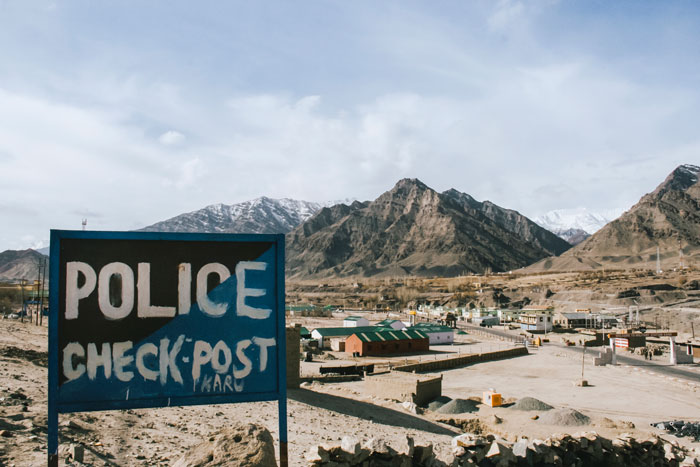
Ladakh, the remote Himalayan region at the crossroads of India, China, and Pakistan, is making international headlines after a wave of unprecedented violence on September 24, 2025. The unrest, centered in the regional capital Leh, saw four people lose their lives and more than eighty injured, including over 40 police officers—a scale of violence not seen in the area for decades. The protests, which began peacefully years ago, are fueled by demands for statehood, stronger job and land protections, and a guarantee of constitutional rights for Ladakh’s indigenous people.
What Sparked the Ladakh Protests?
For the past six years, thousands in Ladakh have peacefully demonstrated and staged hunger strikes, advocating for enhanced constitutional protections through statehood and inclusion under India’s Sixth Schedule. These measures, protestors argue, are vital to protect Ladakh’s fragile ecosystem, unique cultural heritage, and local job market—a region now governed directly from Delhi since a controversial 2019 legal change separated it from Jammu and Kashmir, stripping it of its previous semi-autonomous status.
The immediate trigger for the violence came on September 23-24, 2025, when two hunger strikers—aged 62 and 71—were hospitalized after a 35-day fast. This event galvanized local youth and Gen Z activists, who felt longstanding peaceful protest was ineffective, prompting thousands to join a mass rally and strike in Leh’s Martyrs’ Memorial Park. The situation quickly escalated as portions of the crowd, frustrated by years of government delays, surged towards government offices, chanting and confronting police.
How Did the Violence Unfold?
The confrontations soon turned deadly. Protesters set fire to the regional office of India’s ruling Bharatiya Janata Party (BJP), torched public vehicles—including police cars—and reportedly attacked public buildings. Security forces responded with force, using tear gas and, in some cases, live rounds. Four protesters—a 19-year-old, 20-year-old, 23-year-old, and a 46-year-old—were killed, and at least 80 others were injured, some losing limbs. Eyewitnesses described scenes of billowing black smoke, fleeing protesters, and chaos rarely witnessed in Ladakh.
Authorities quickly imposed a curfew in Leh, suspending mobile internet and SMS services to prevent further organization by demonstrators. Over 50 people were reportedly detained and charged with rioting or destruction of property.
Who Is Sonam Wangchuk and Why Is He Central to This Story?
Much of the government’s ire has focused on Sonam Wangchuk, an award-winning climate activist and educator who had spearheaded the peace movement and staged his own 14-day hunger strike. The Indian Home Ministry accused Wangchuk of misleading the public with “provocative” statements and invoking the Arab Spring or Gen Z revolutions in Nepal. He was arrested under the National Security Act hours after the violence, just as he was about to address the media. Wangchuk denies inciting violence, insisting his campaign focused on non-violence and was only derailed by the persistent neglect of local concerns by authorities.
Why Are Ladakhis Demanding Statehood and Sixth Schedule Status?
Protesters argue that Ladakh’s isolation, mix of Buddhist and Muslim communities, and environmental sensitivity require special legal protections. The Sixth Schedule of the Indian Constitution, which protects tribal areas with special autonomy and safeguards, has become a rallying cry. Protesters also demand:
– Restoration of local government and representation in parliament
– Land and job reservations for local residents
– Stronger protections for the fragile Himalayan ecology
Both Buddhist-majority Leh and Muslim-majority Kargil, historically at odds, are now united in their calls for autonomy and protection against what they see as economic and cultural threats stemming from central government policies.
What Has Been the Government’s Response?
The government says it resorted to firing only in self-defense after being attacked, and blames “politically motivated individuals” and provocative speeches for turning a peaceful demonstration into an uncontrollable mob. Senior BJP figures have accused opposition parties like Congress of exploiting the unrest. Curfews and heavy security continue as central government officials plan talks with Ladakhi representatives on October 6. However, many activists see these talks as a last chance for meaningful autonomy.
What Happens Next for Ladakh?
Leaders including Wangchuk and the Leh Apex Body have called for peace and dialogue, stressing that violence only harms the legitimacy of the movement. Major human rights organizations, such as Human Rights Watch, have urged Indian authorities to exercise restraint, avoid scapegoating peaceful activists, and impartially investigate the violence. The forthcoming dialogue will be crucial for Ladakh’s future: Will government address these urgent demands, or will tensions simmer and escalate further?
This Story is Global
This is not just a local dispute—it is a major news story featured on platforms like Al Jazeera, the BBC, The New York Times, Deutsche Welle, Human Rights Watch, and Times of India. Readers are encouraged to verify every detail from these mainstream international outlets reporting on Ladakh’s urgent quest for justice, autonomy, and protection.