


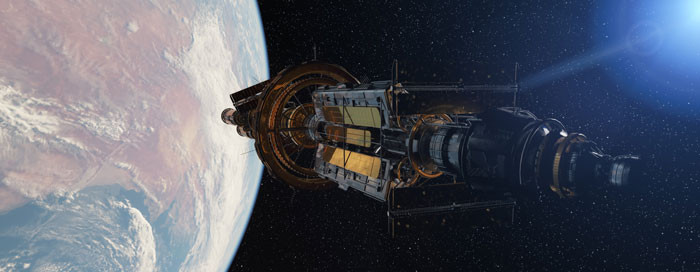
NASA has unveiled a bold vision to permanently settle humans on the Moon within the next decade—a plan that could reshape both space exploration and geopolitical competition. TheMixPost breaks down the strategy, highlighting its reliance on nuclear power and the major challenges ahead.
A Lunar Village in the Making
NASA Administrator Sean Duffy shared his ambitious goal at the International Astronautical Congress in Sydney: not just an outpost, but a “village” on the lunar surface. This settlement will go beyond temporary missions, aiming for sustained human life supported by cutting-edge infrastructure and technology.
Nuclear Power: The Heart of the Mission
Central to NASA’s lunar strategy is the deployment of a nuclear fission reactor by 2030. This reactor will be designed to produce over 100 kilowatts of electricity—enough to keep the village running even during the extended lunar night when solar energy is unavailable. The reliability of nuclear power is crucial to maintaining life and work conditions on the Moon, especially as global rivals China and Russia are pursuing their own lunar nuclear facilities.
Race Against Rivals
The timing of NASA’s lunar push is no coincidence. China has announced plans to land astronauts and establish an automated nuclear outpost on the Moon by 2030, accelerating its original schedule. With both Chinese and Russian programs moving ahead, the need to secure a foothold on the Moon has become a strategic priority for the United States.
Technical and Funding Roadblocks
Despite the visionary scope, the project faces tough hurdles. NASA’s Artemis III, planned as the next human landing on the Moon, is delayed to at least 2027 due to set-backs with the Starship lunar lander. Additionally, proposed budget cuts—from $24.8 billion to $18.8 billion—could severely impact the agency’s ability to fund crucial rockets and spacecraft, shifting reliance to commercial alternatives and risking further delays.
NASA’s Safety Advisory Panel also warned that current delays could extend for years, putting both lunar and future Mars missions at risk. Yet Duffy remains optimistic, projecting that the lunar village will establish sustained operations and serve as a launchpad for future Mars expeditions by the mid-2030s.
What’s Next?
Construction of NASA’s lunar village will begin with habitat modules for a small crew, followed by power generation and infrastructure expansion. As technology matures, the base could grow into a thriving community—staging missions deeper into space and fostering scientific, commercial, and perhaps even tourism activities.
NASA’s lunar village will not only push the boundaries of technology but also test new models of cooperation and competition in space. The choices made over the next few years will shape humanity’s future beyond Earth.
Stay tuned to TheMixPost for continuing coverage and expert analysis on the next giant leap for mankind.