


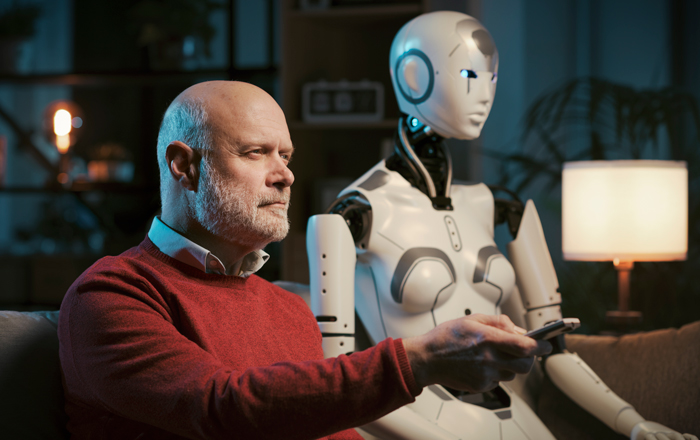
Personal AI companions are evolving from chatty gadgets into care infrastructure, particularly across Asian markets with aging populations and caregiver shortages. These systems range from on-device avatars to mobile robots integrated with smart homes, providing medication reminders, safety checks, and social interaction designed to reduce loneliness. Market analyses project significant growth in elder care robotics and AI companion platforms through the decade, reflecting both demand and rapid capability gains.
Capabilities and use cases
Modern companions offer daily routines, check-ins, and escalation workflows, integrating with wearables and sensors to detect anomalies like falls or irregular heart rates. Emotional support is a rising design priority, with models tuned for empathetic responses and culturally-specific conversation styles. As prices decline and interfaces simplify, adoption expands from affluent early adopters to mainstream family use and institutional deployments.
Adoption drivers in Asia
Asia-Pacific leads in pilot programs and commercial rollouts given demographic pressures and tech-forward consumer behavior. Health systems and municipalities are testing subsidized deployments to augment understaffed facilities, while families use companions to support independent living for elders. Platform vendors emphasize local language support and integration with regional health services to ensure continuity of care.
Privacy, security, and ethics
Collecting intimate household and health data raises concerns about surveillance and misuse. Analysts highlight the need for transparent data handling, on-device processing where possible, and consent tools that accommodate cognitive decline. Ethical debates focus on avoiding over-reliance on synthetic companionship while preserving human connections and establishing accountability when systems fail.
Economic outlook and barriers
Reports forecast multi-billion-dollar growth for assistive and companion robotics through 2030, but affordability remains a limiting factor. Leasing models, insurance coverage for remote monitoring, and public-private partnerships could expand access. Vendors that deliver reliable safety features and prove clinical benefits may see faster reimbursement approval and trust.
What it means
Personal AI companions are shifting from novelty to necessity in elder care, blending safety, health monitoring, and social support. The winners will balance empathetic design with rigorous privacy protections, building systems that enhance—not replace—human caregiving networks.